Meet the Meteorologist
What's your favorite weather phenomena?
What got you interested in the weather?
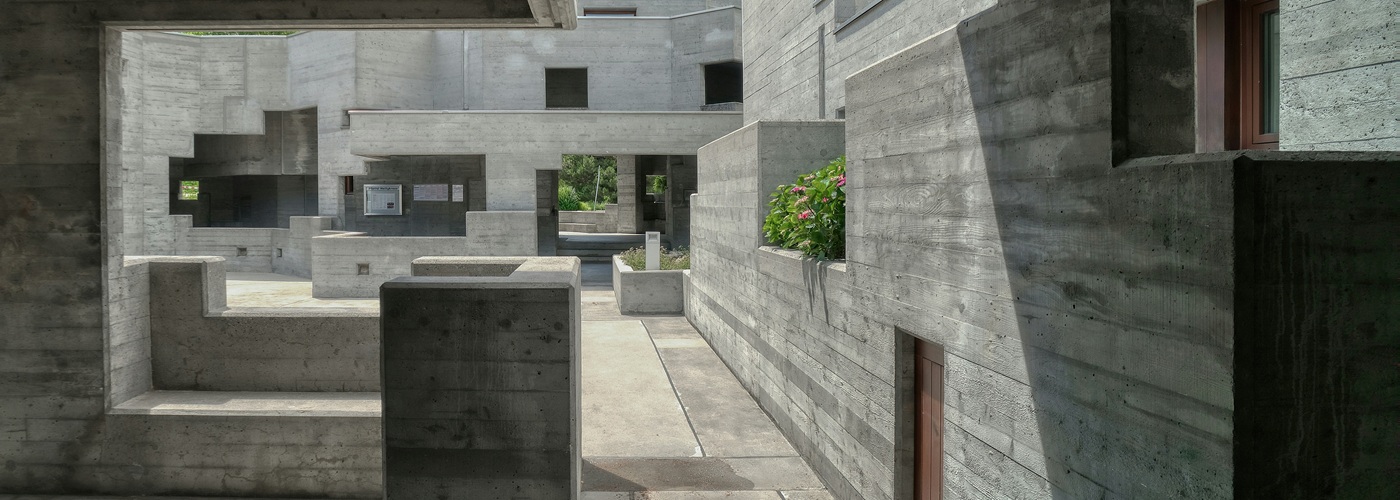

Concrete is one of the most widely used construction materials in the world, supporting everything from roads and bridges to buildings and pipelines. It is also associated with a significant environmental footprint, particularly because cement production releases large amounts of carbon dioxide (CO2). Now, researchers in India have developed a new type of concrete that could provide an additional environmental benefit by capturing CO2 while also improving several measures of structural performance.
Researchers at Mepco Schlenk Engineering College incorporated two natural materials into the concrete mixture, zeolite and bamboo biochar. Zeolite is a highly porous mineral, while bamboo biochar is a carbon-rich material with a large internal surface area. Both characteristics make the materials capable of trapping gas molecules, such as CO2.
The researchers tested several M35 concrete formulations, replacing portions of conventional materials with different amounts of zeolite and bamboo biochar. One mixture, called ZB5, contained 50% zeolite and 1% bamboo biochar and produced the strongest overall results.
ZB5 reached a compressive strength of 38.49 megapascals, about 7.48% higher than conventional concrete. Its split tensile strength reached 4.39 MPa, an improvement of approximately 15%.
The mixture also demonstrated an ability to capture CO2. In laboratory testing, it absorbed about 1.2 grams of CO2 per day, with the gas penetrating approximately 15 millimeters into the concrete over seven days.
The researchers believe the combination of zeolite's porous alumina-silicate structure and bamboo biochar's carbon-rich properties creates a denser, stronger material capable of trapping CO2.
Potential applications include pavements, highway barriers, and sewer pipelines. However, the technology remains at the proof-of-concept stage. Further research will examine long-term durability, CO2 capture, other biochar materials, and performance in different concrete mixtures.
 Paul Trambley
 Derek Heit
 Jennifer Wojcicki
 Laura Lockwood
 Ray Miller